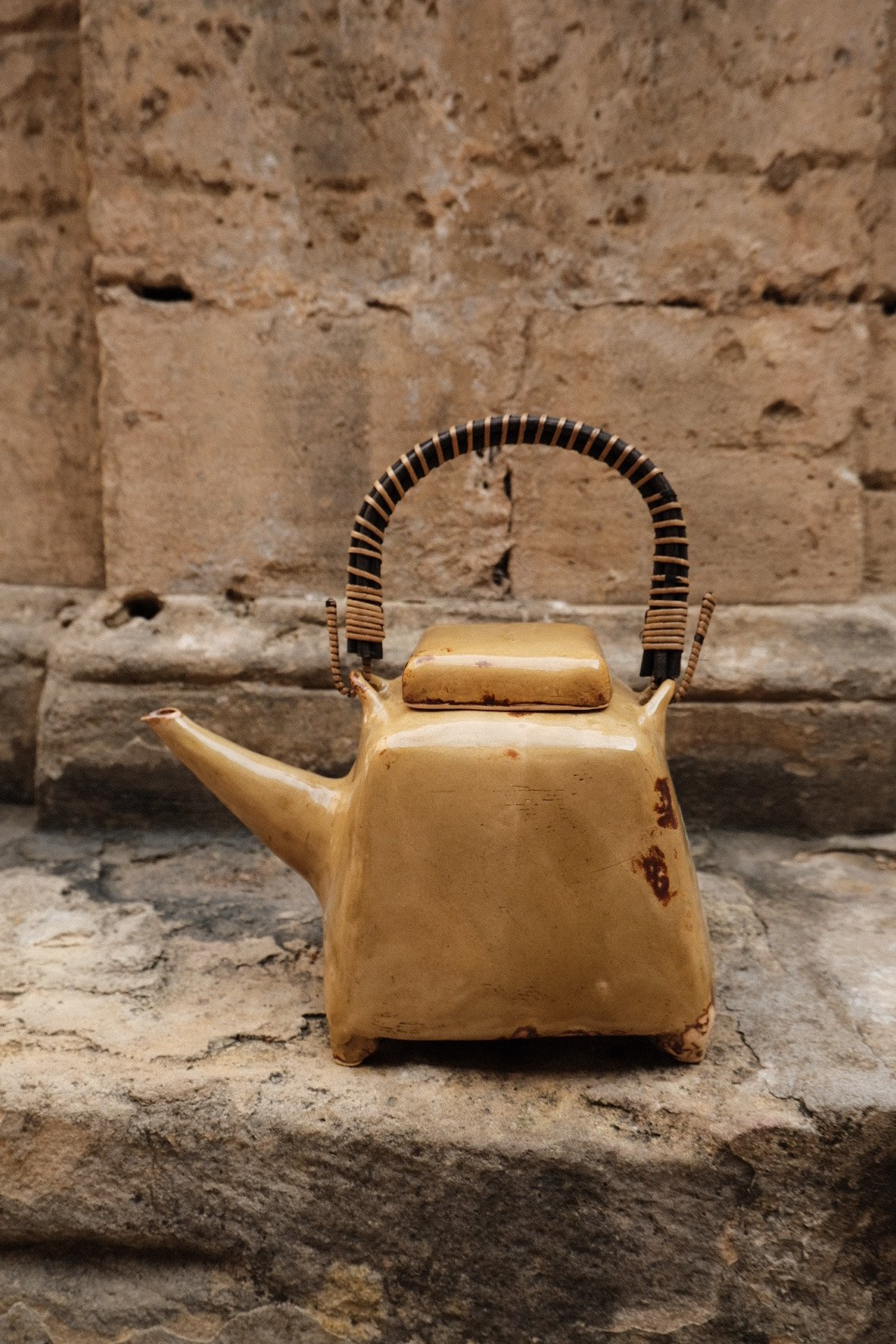
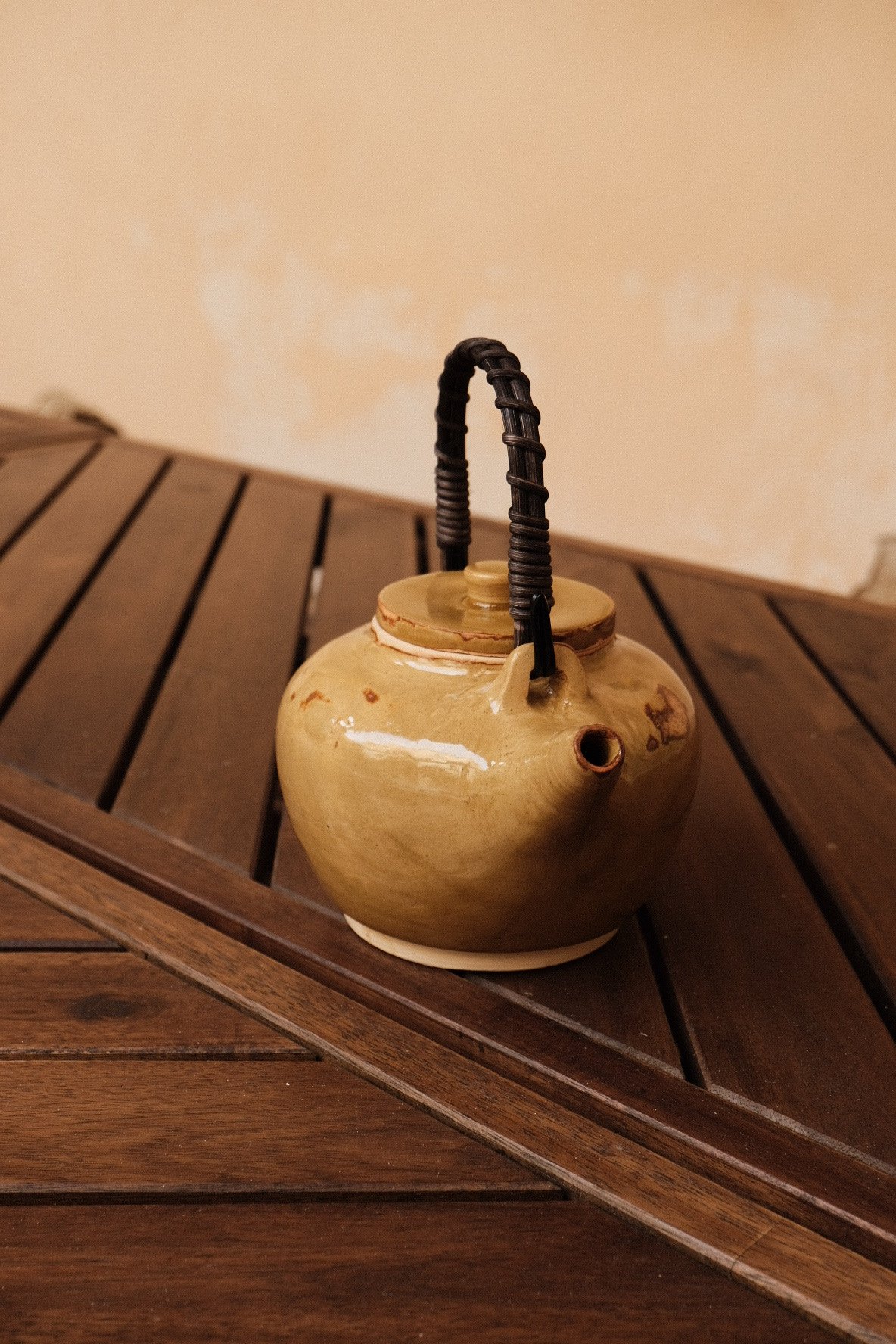
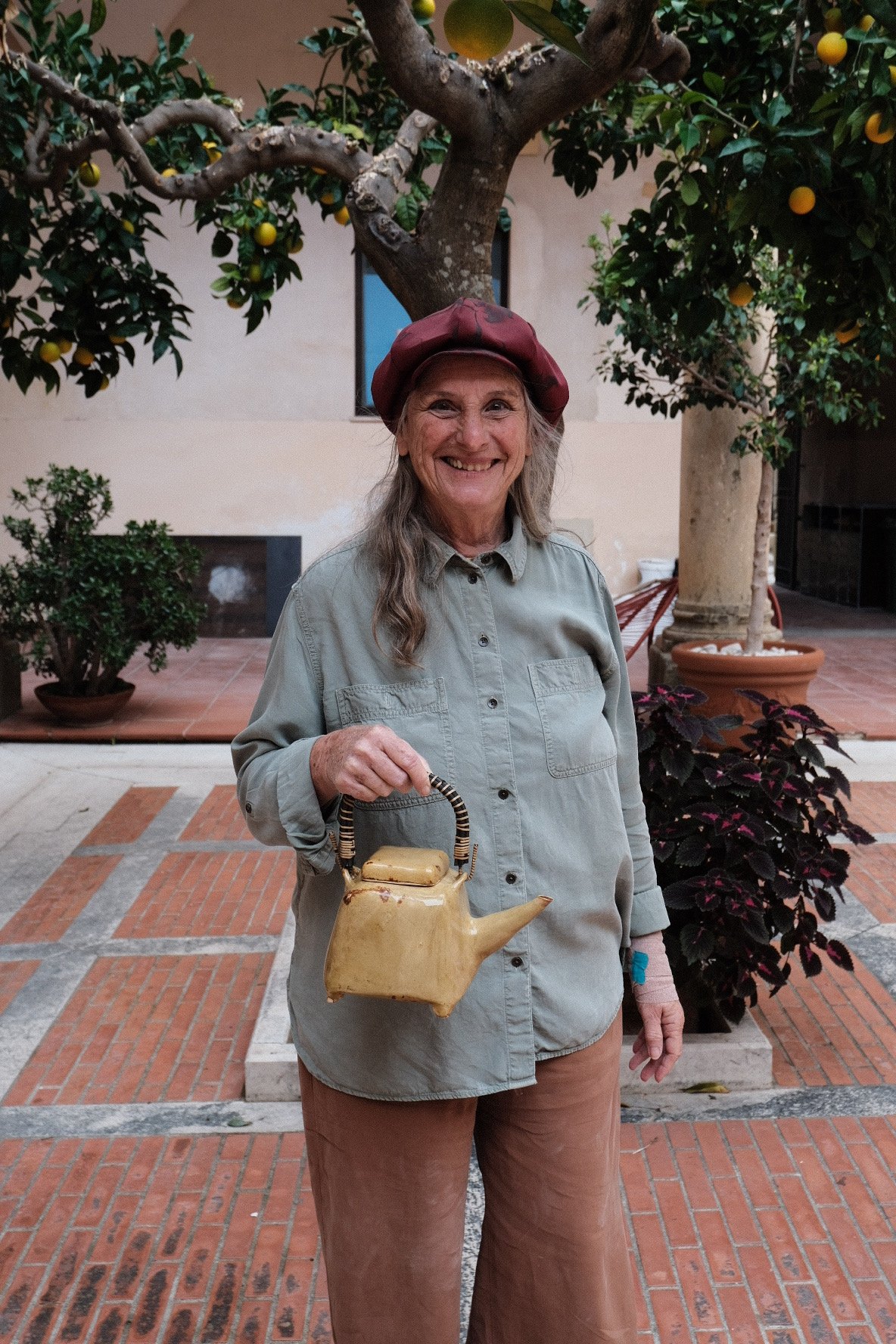
I am by no means an expert on tea or teapots. But the more I have braved the very difficult task of making them, the more they have expanded my world, both technically as a maker and through their deep and complex history. Both sculptural and functional, they carry stories of everyday rituals and gathering, alongside much darker histories of trade and colonialism.
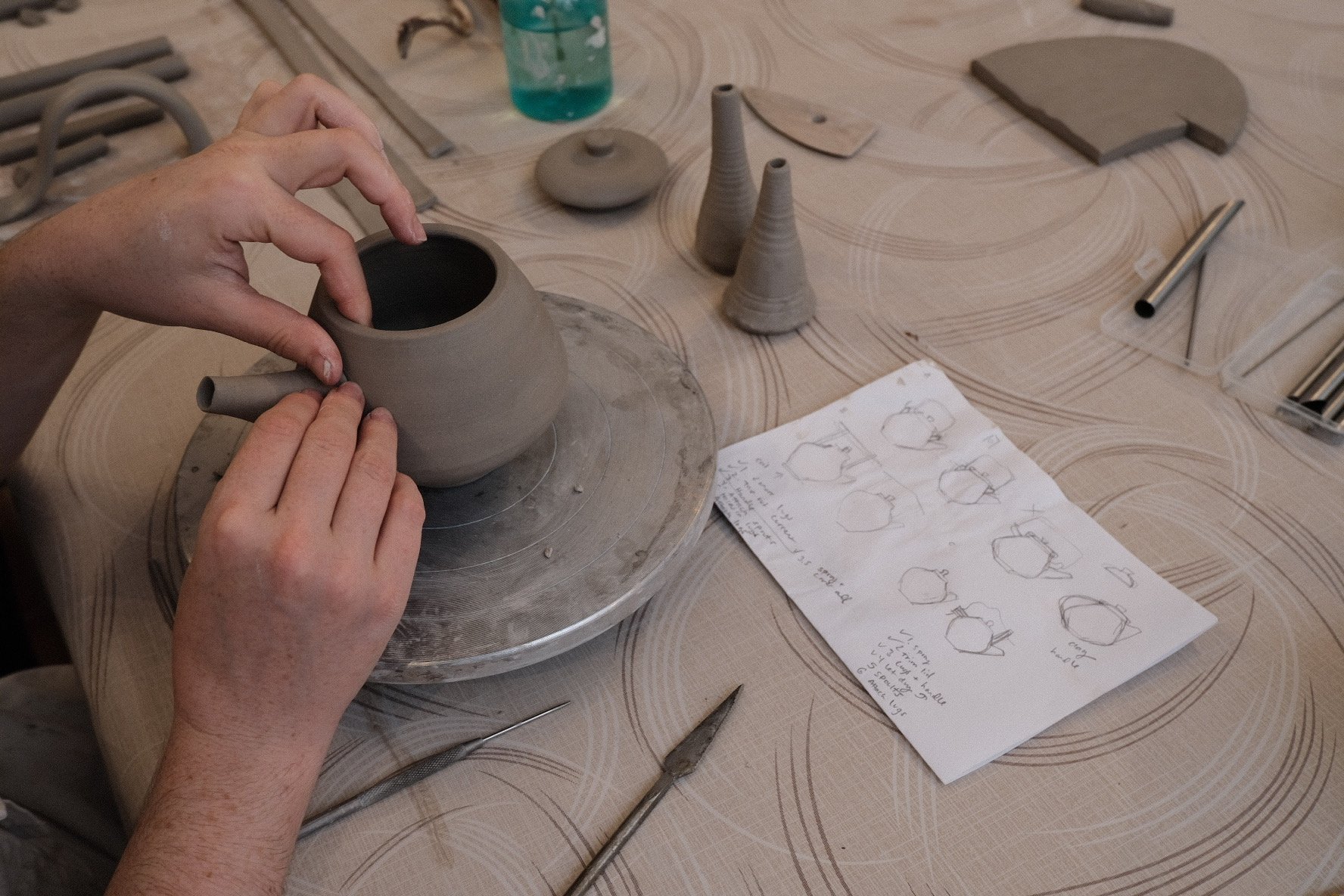
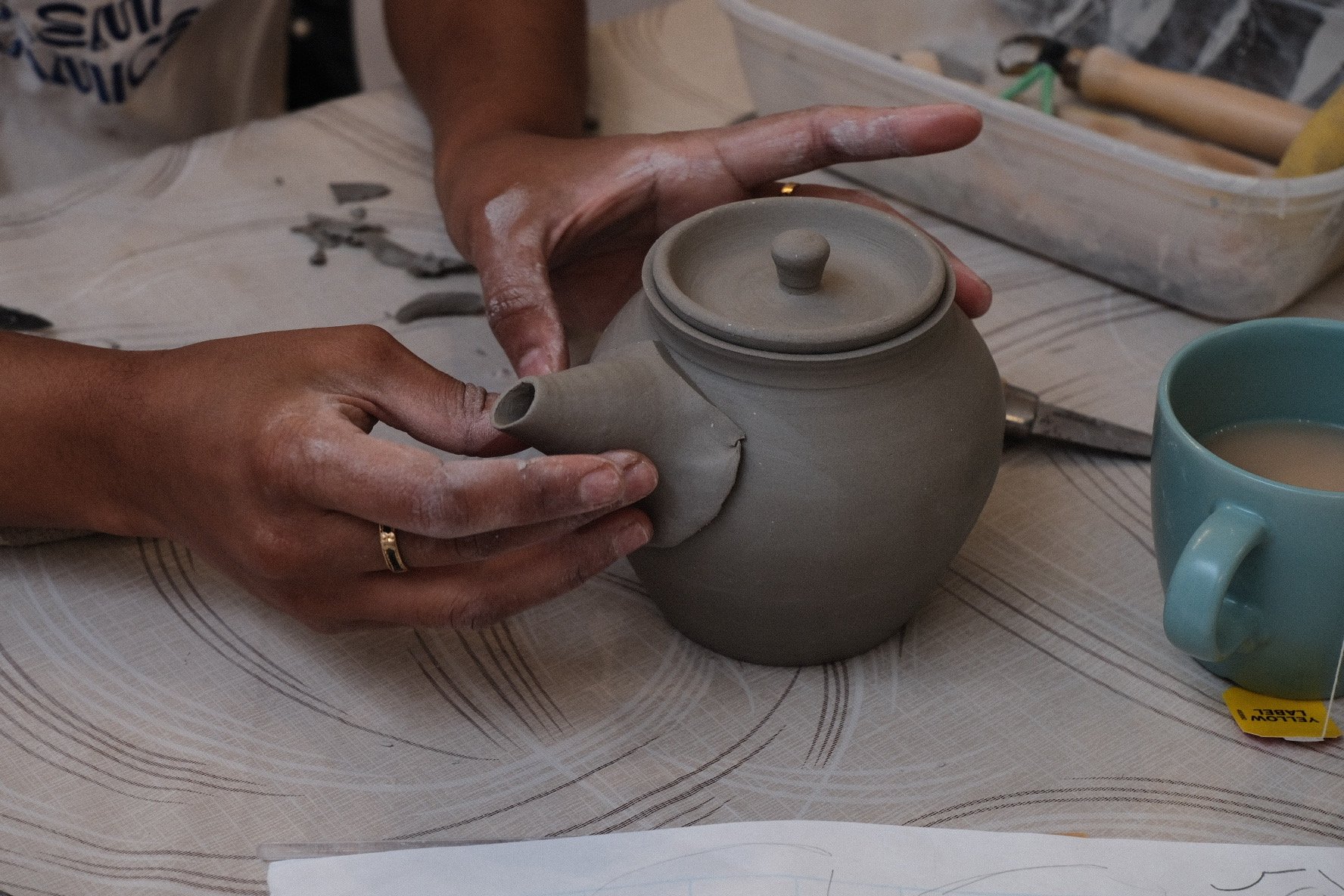
On a technical level, there are constant problems to solve. With multiple thrown parts and attachments, making a teapot requires a particular kind of focus and attunement between maker and material. One wrong placement can result in a dribbly pour, an uncomfortable handle or tea coming out of the lid rather than the spout. Whatever mistake there is to make, I have probably made it. And I continue to learn something every time I try.
One of the reasons I wanted to teach this course was not so much for the finished tea sets, as lovely as they can be, but for everything the process of making them has taught me. The skills involved extend far beyond the teapot itself. They require patience, precision, observation and an understanding of how different forms work together. I believe practising these skills can make us more thoughtful and attentive makers.
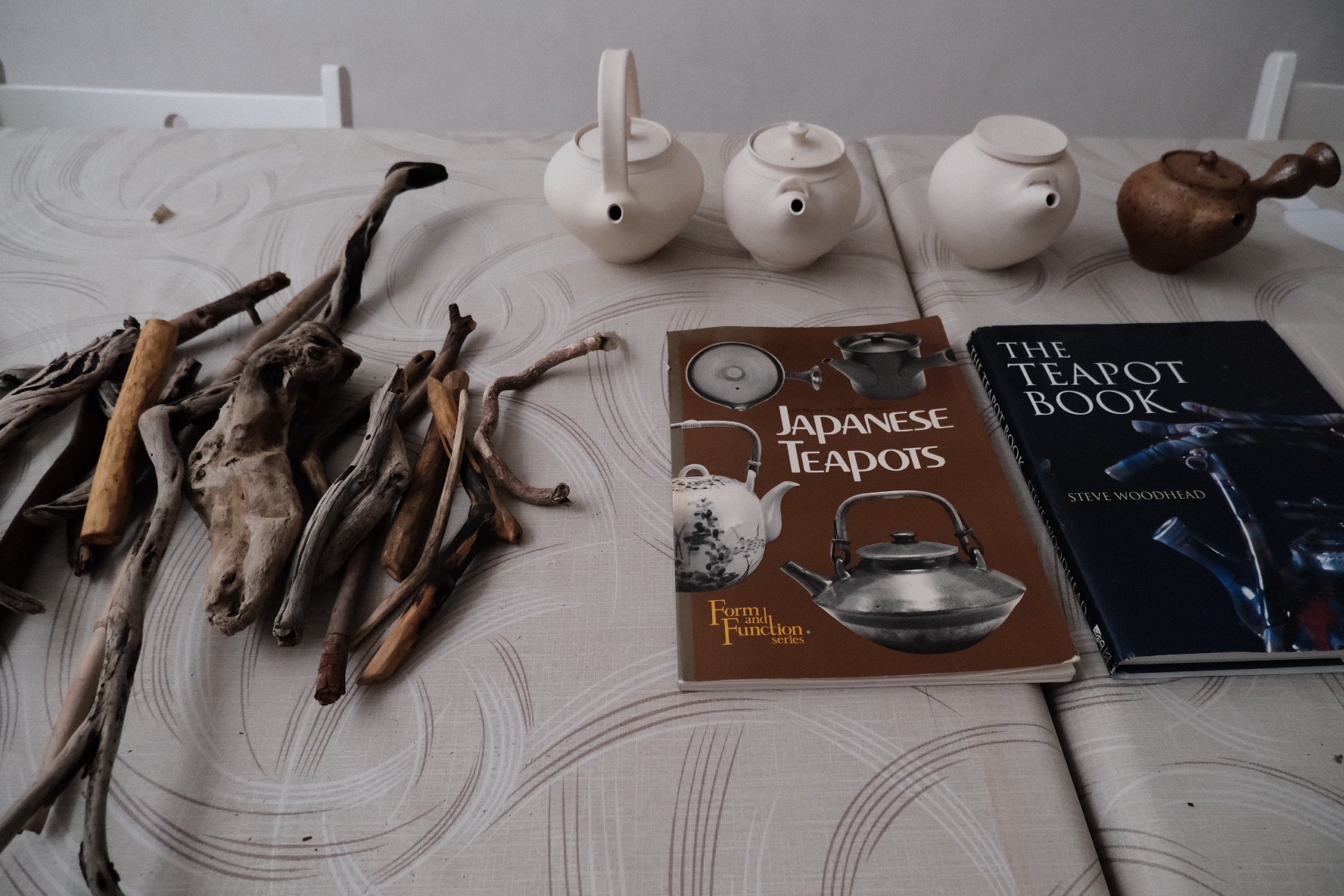
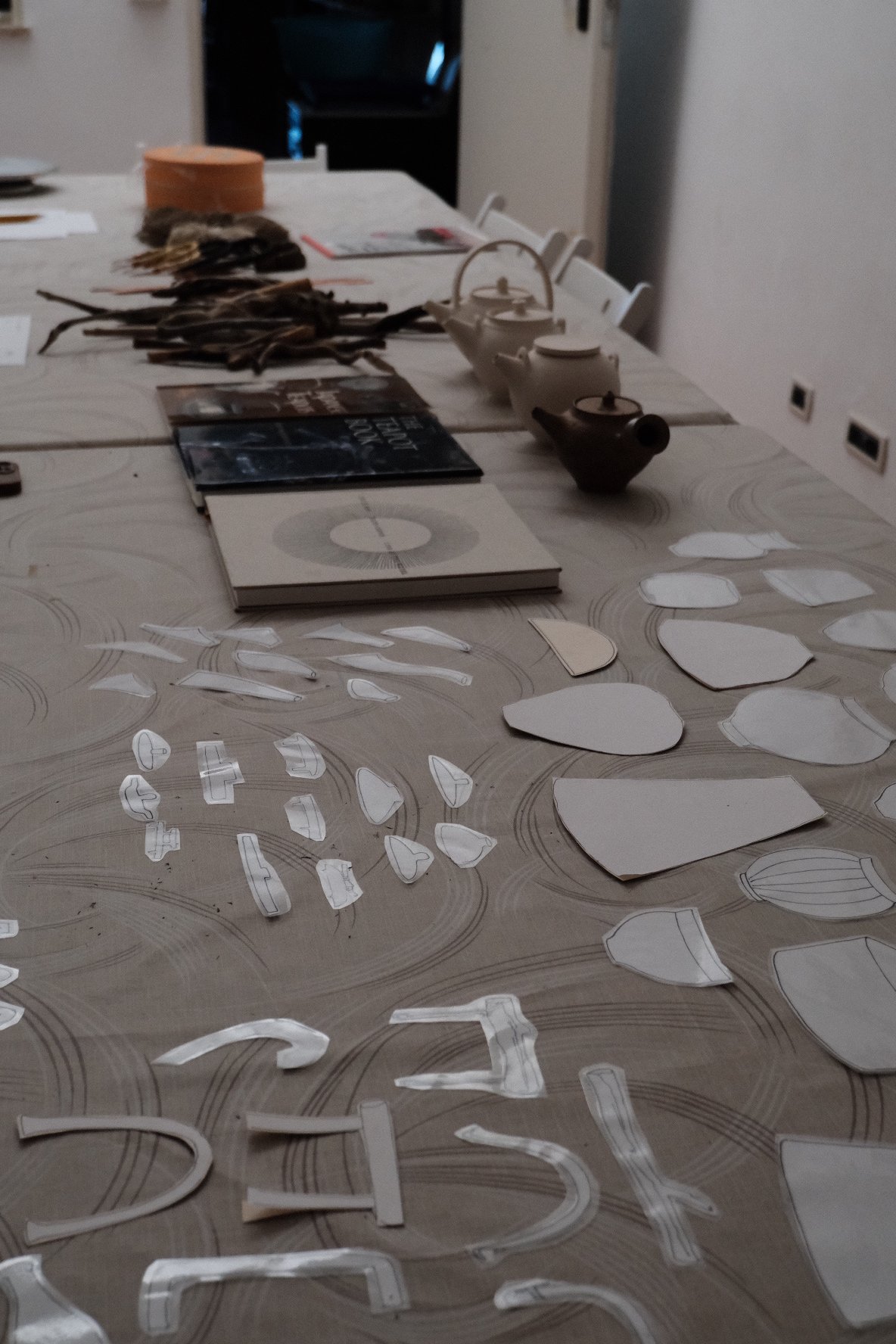
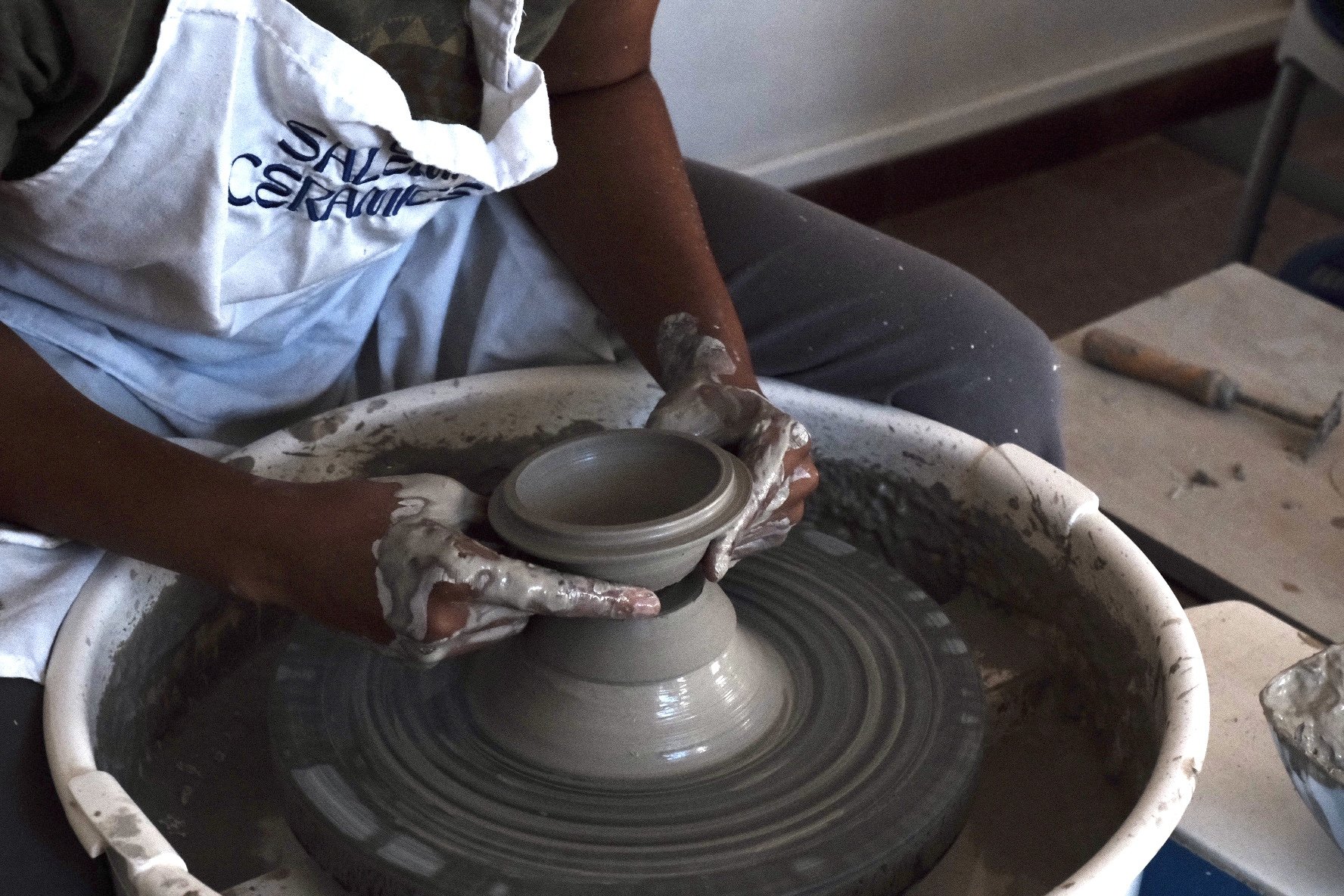
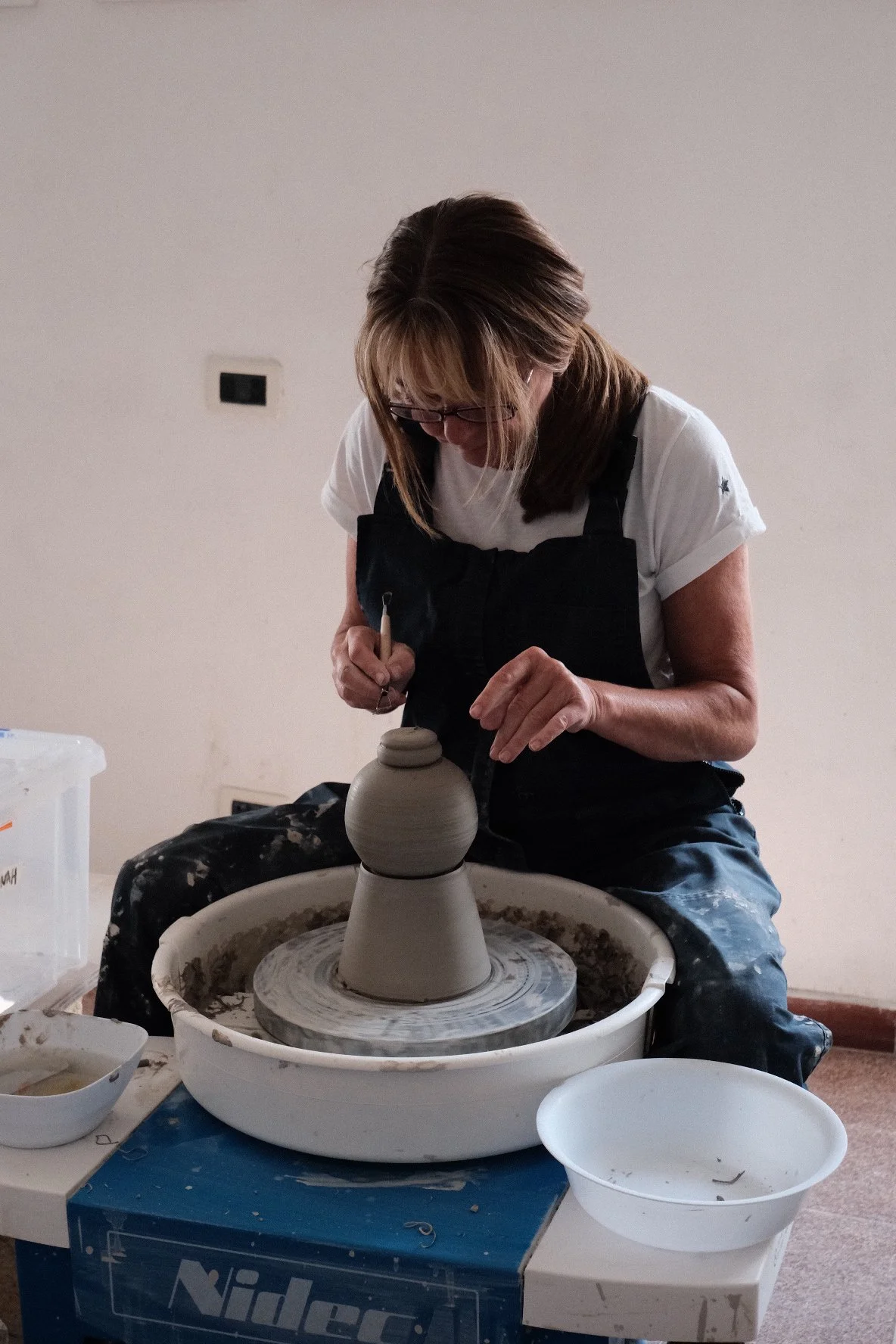
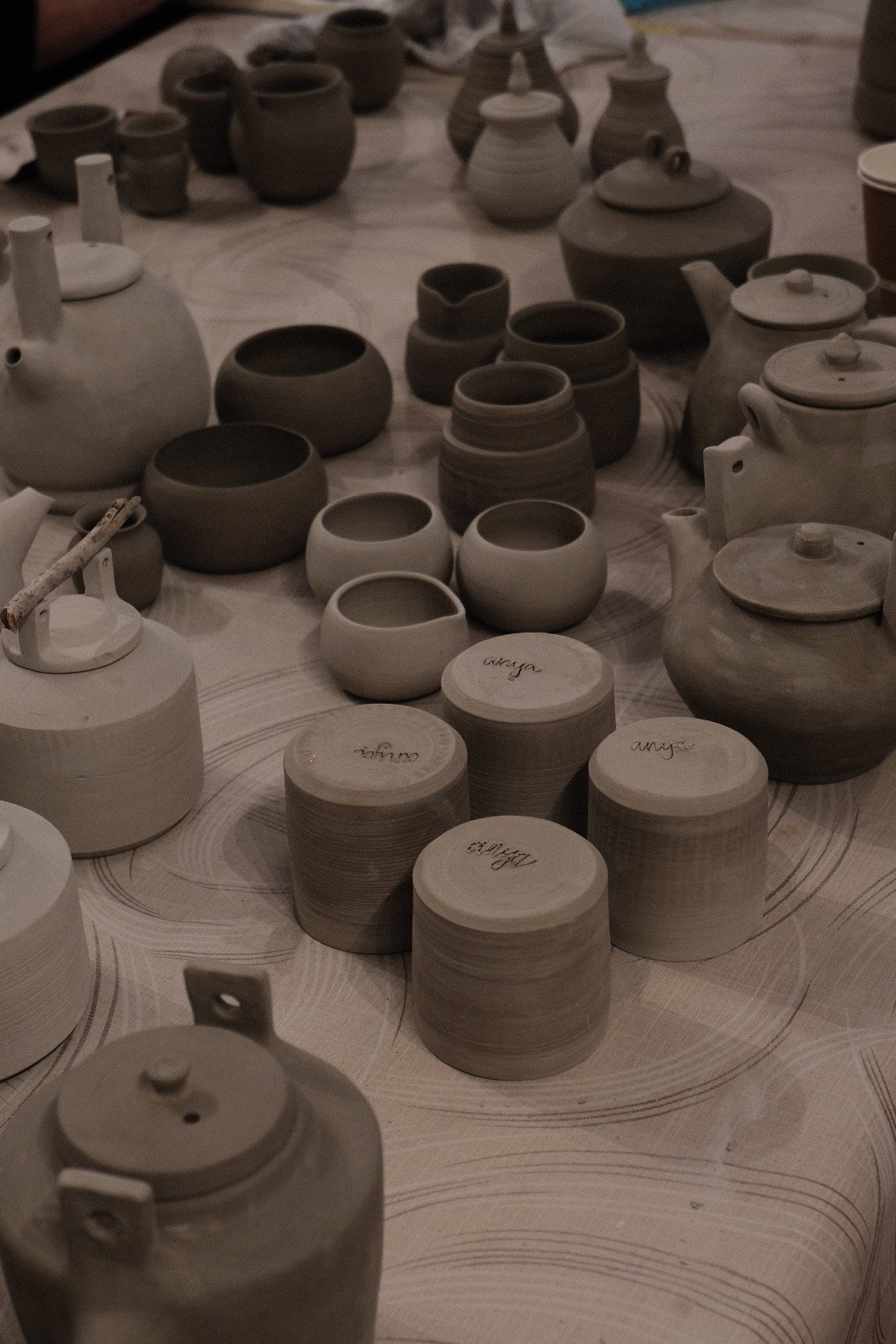
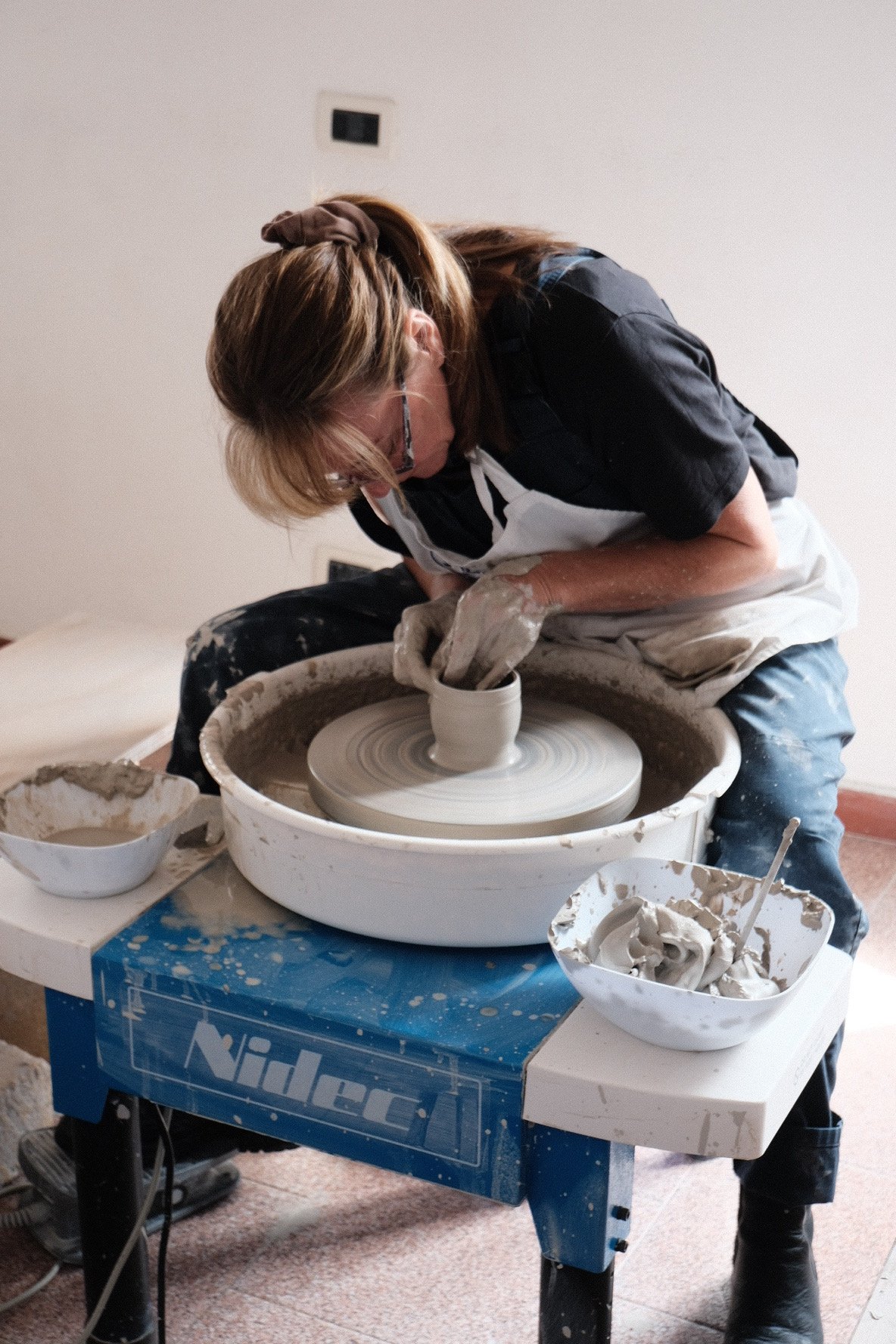
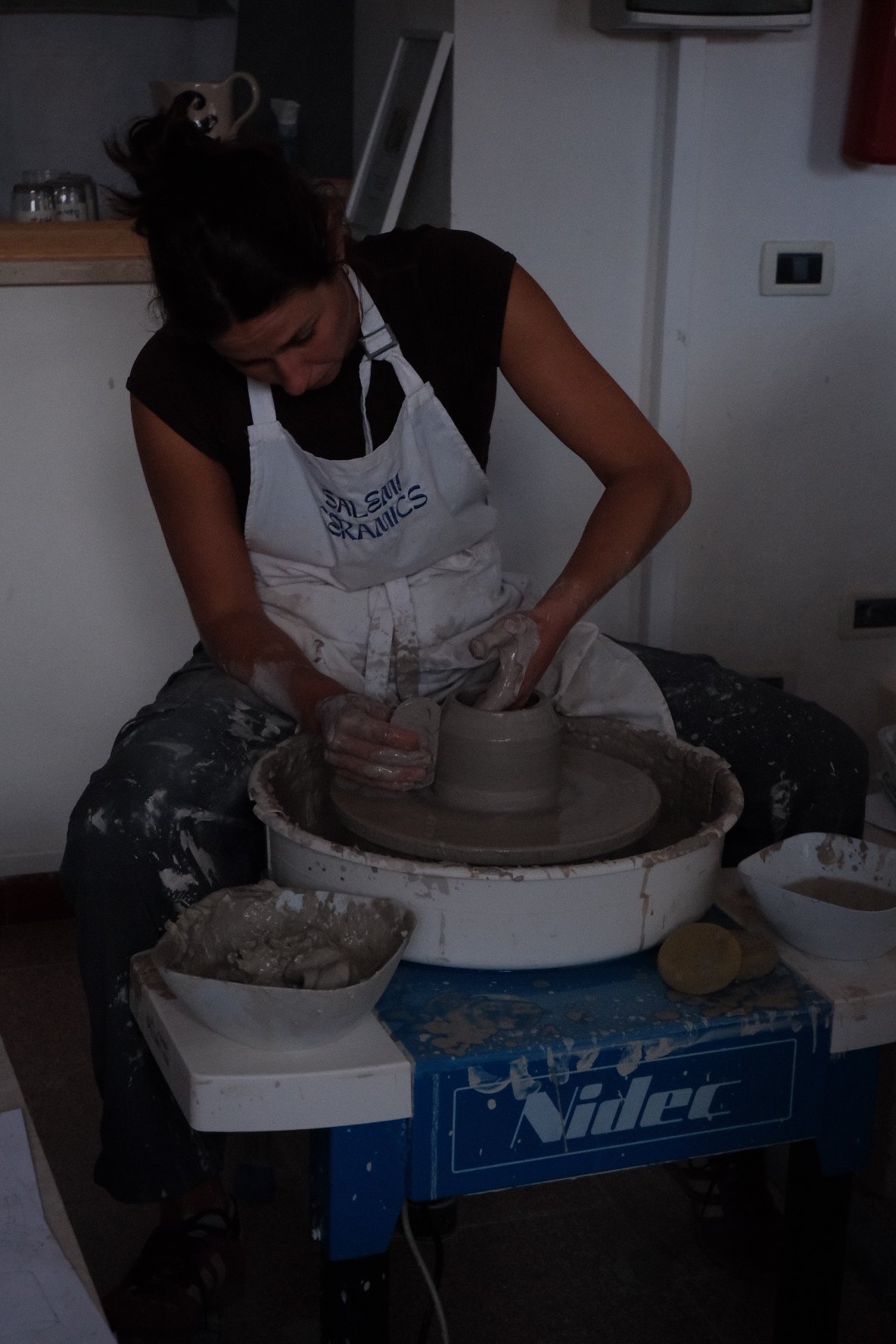
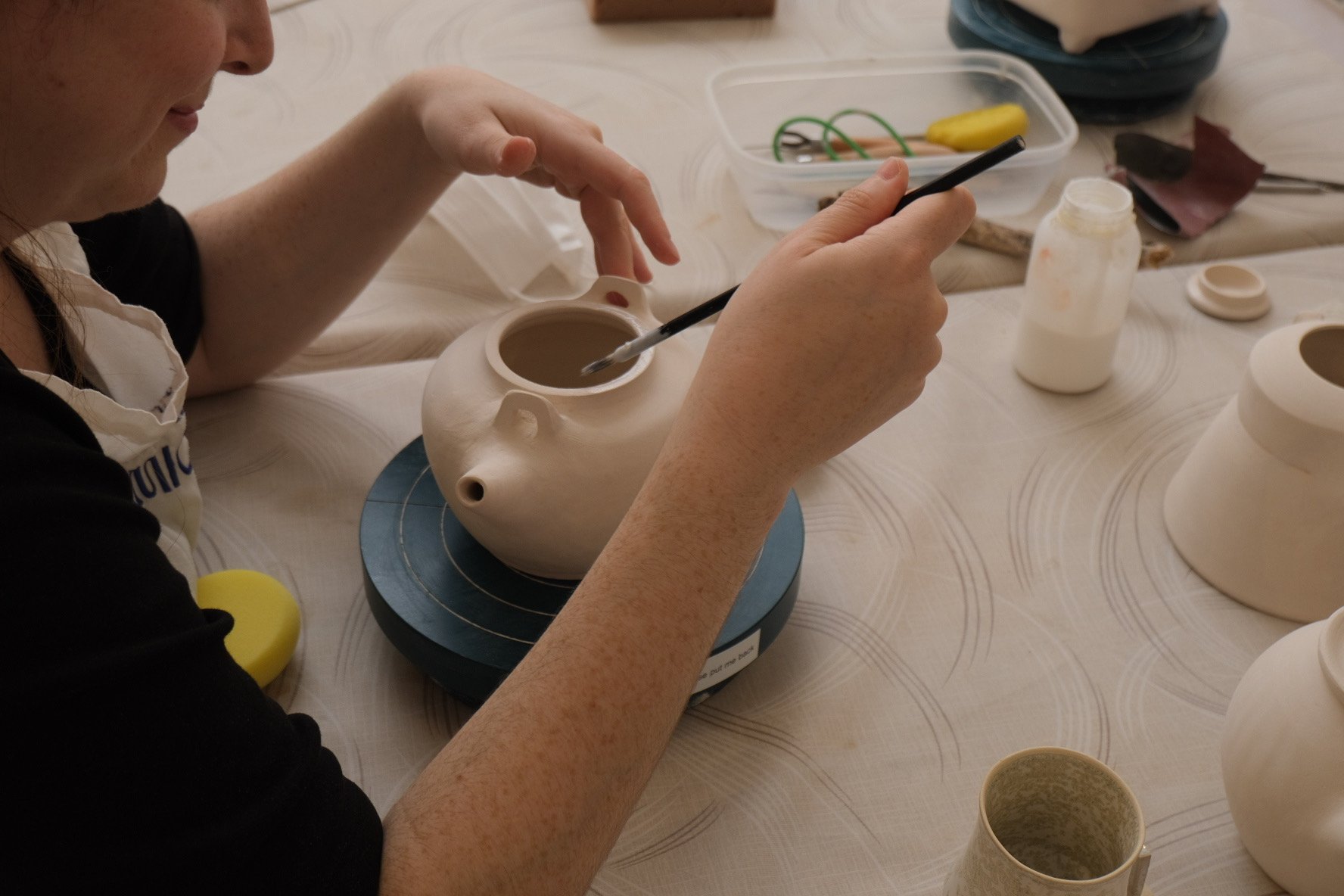
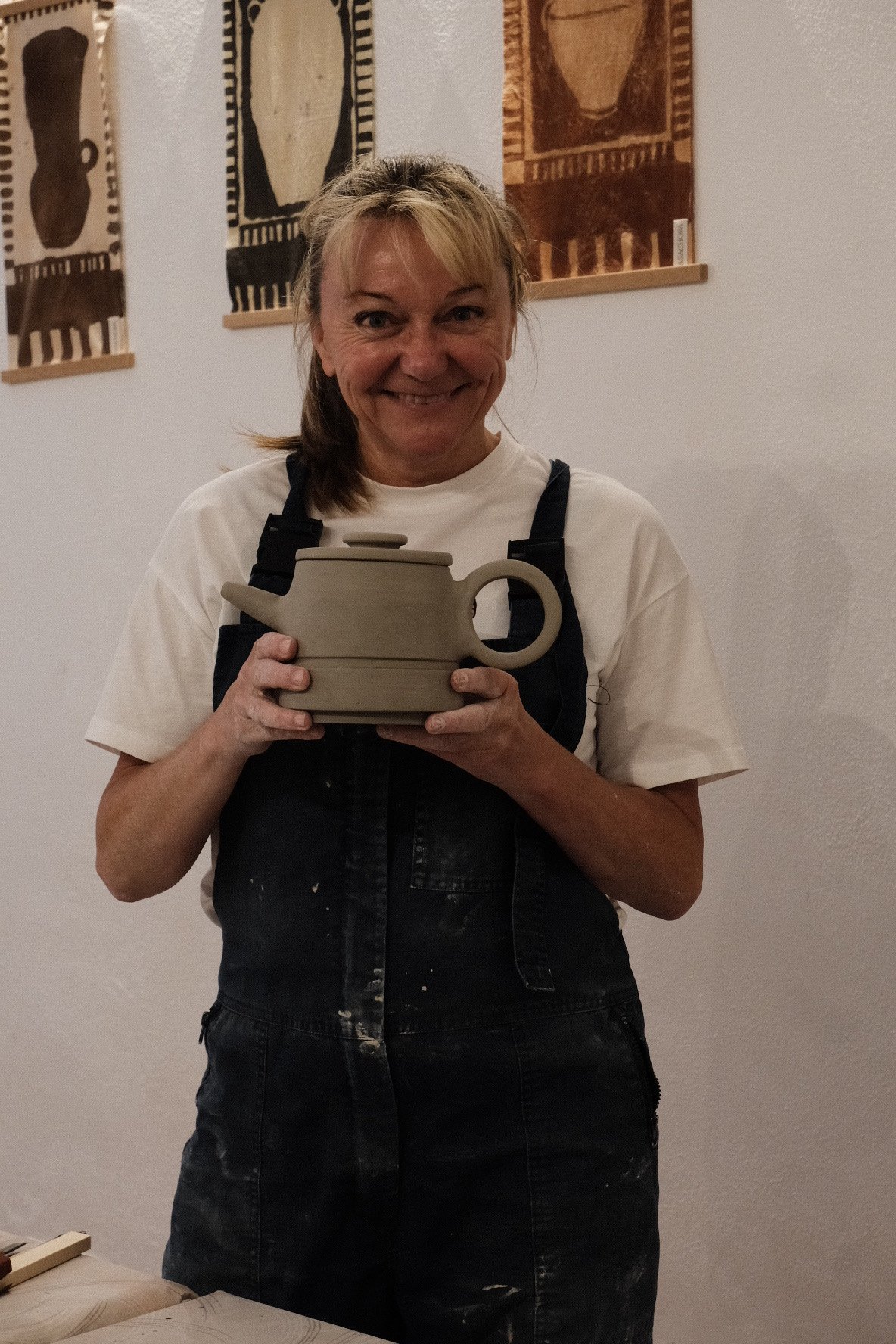
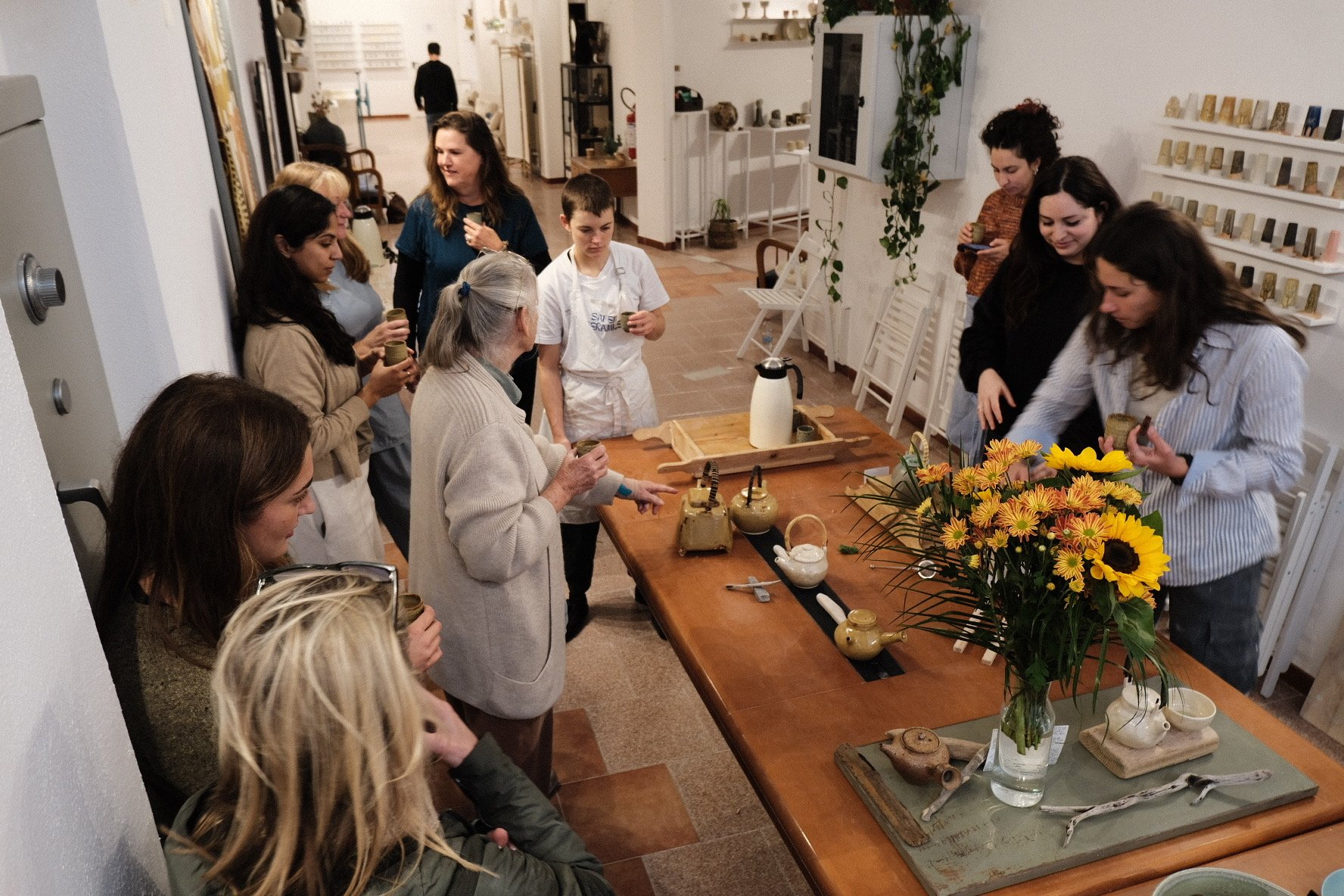
This autumn, I spent five weeks teaching intensively at Salemi Ceramics in Sicily, two of which were dedicated to the making of tea sets. Over these two weeks, I guided eight students through the process from start to finish. We began with a presentation, placing our making within a much wider context: a very short introduction to the very long, and often dark history of tea, alongside teapot designs through the centuries, from Yixing to the Bauhaus.
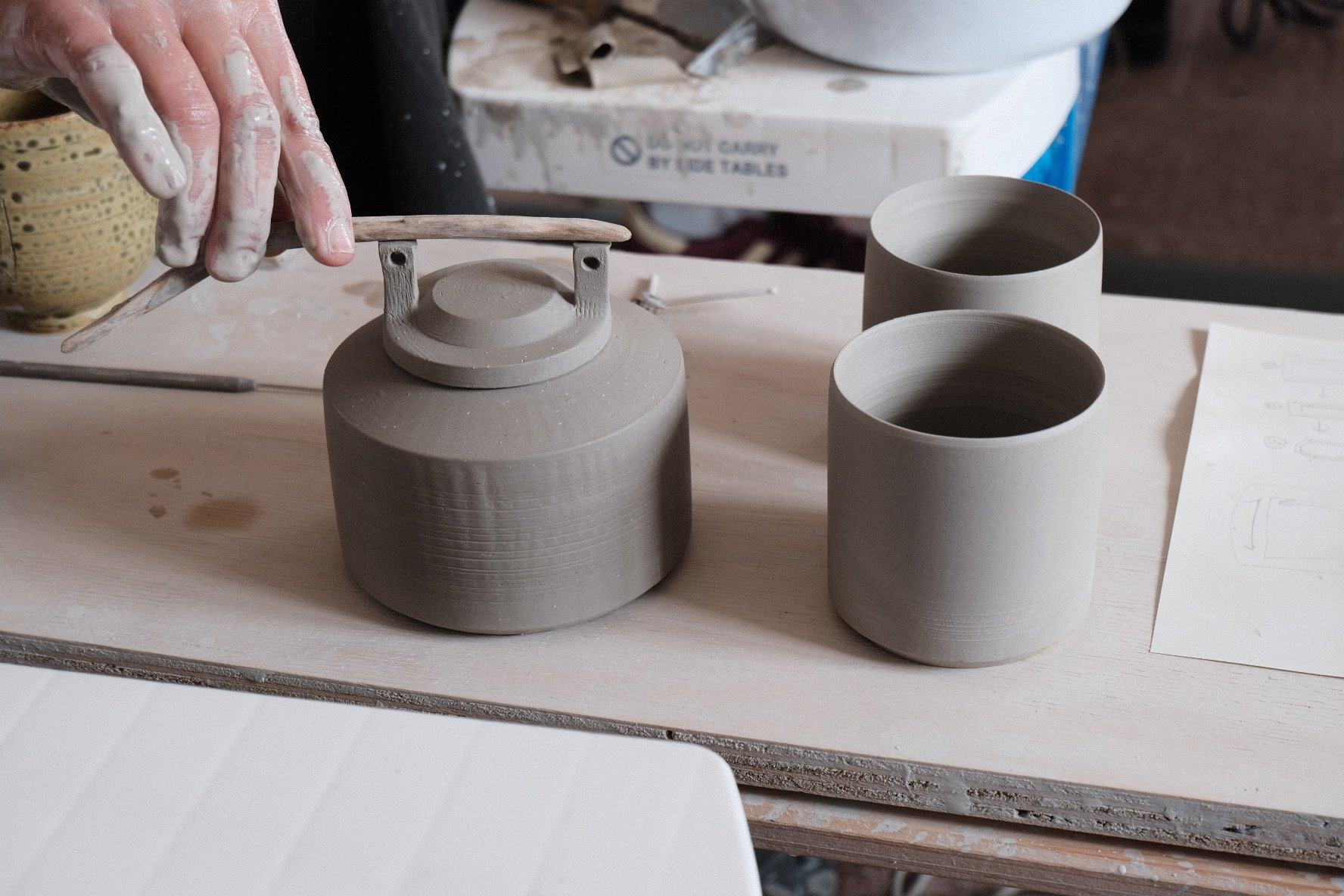
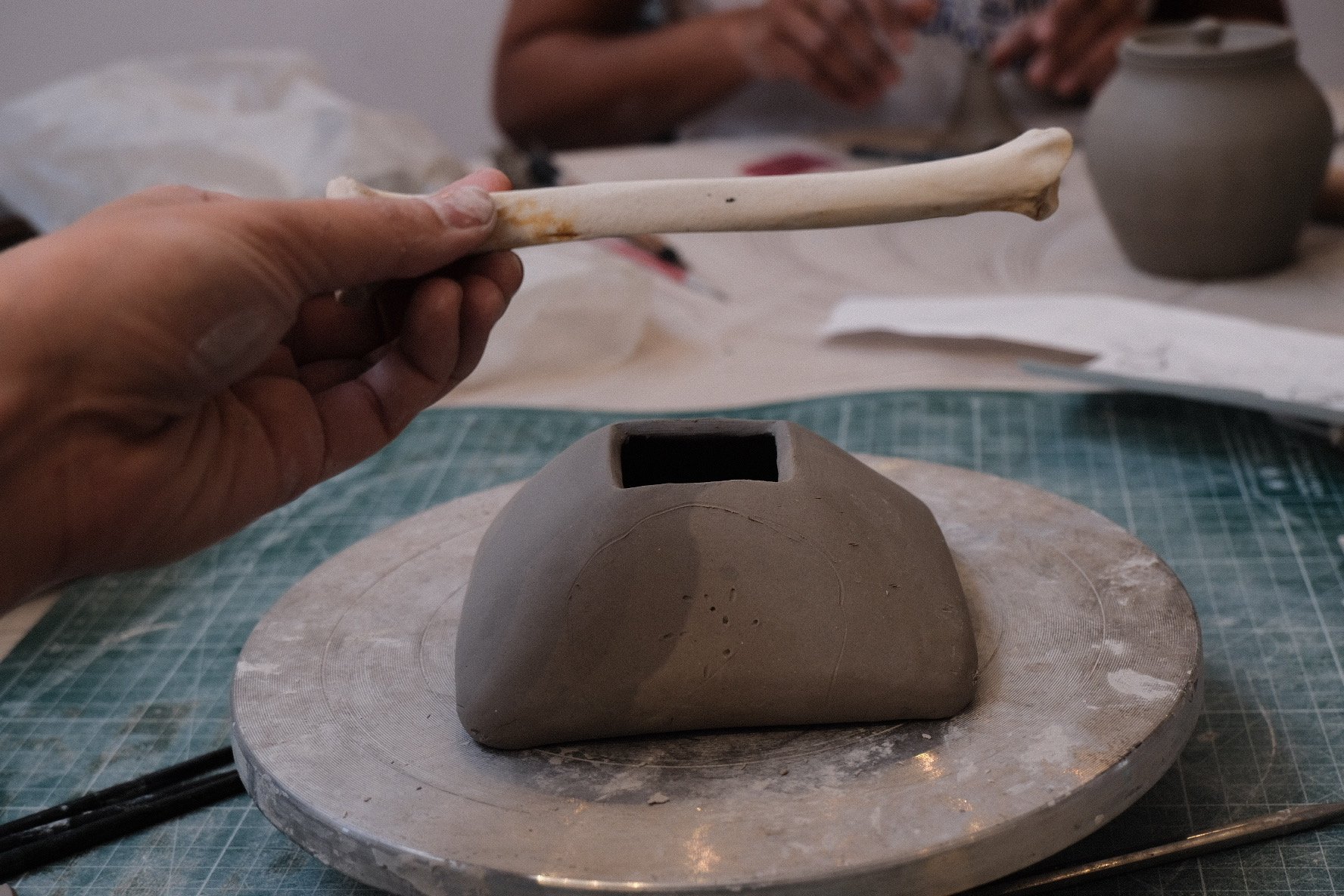
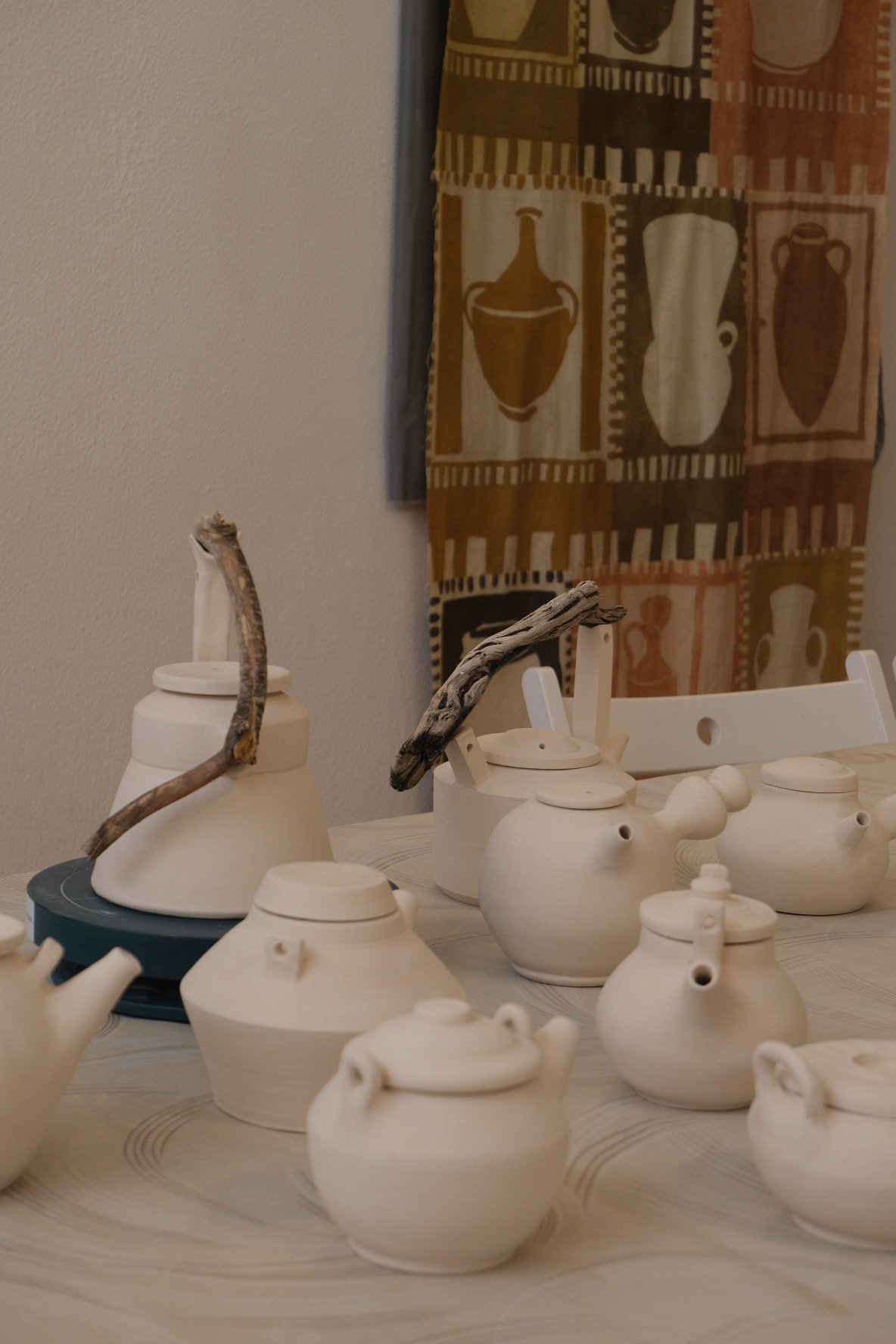
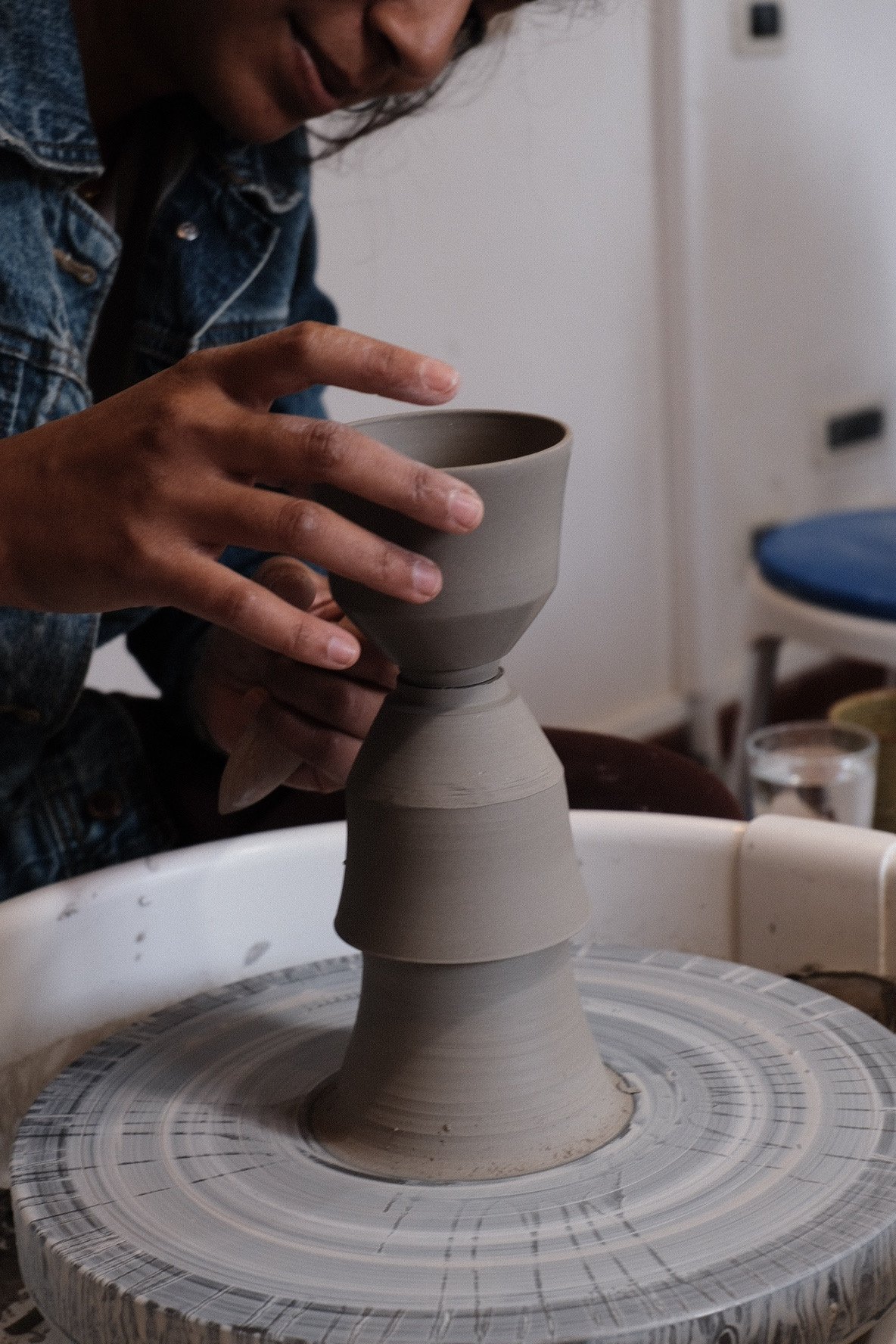
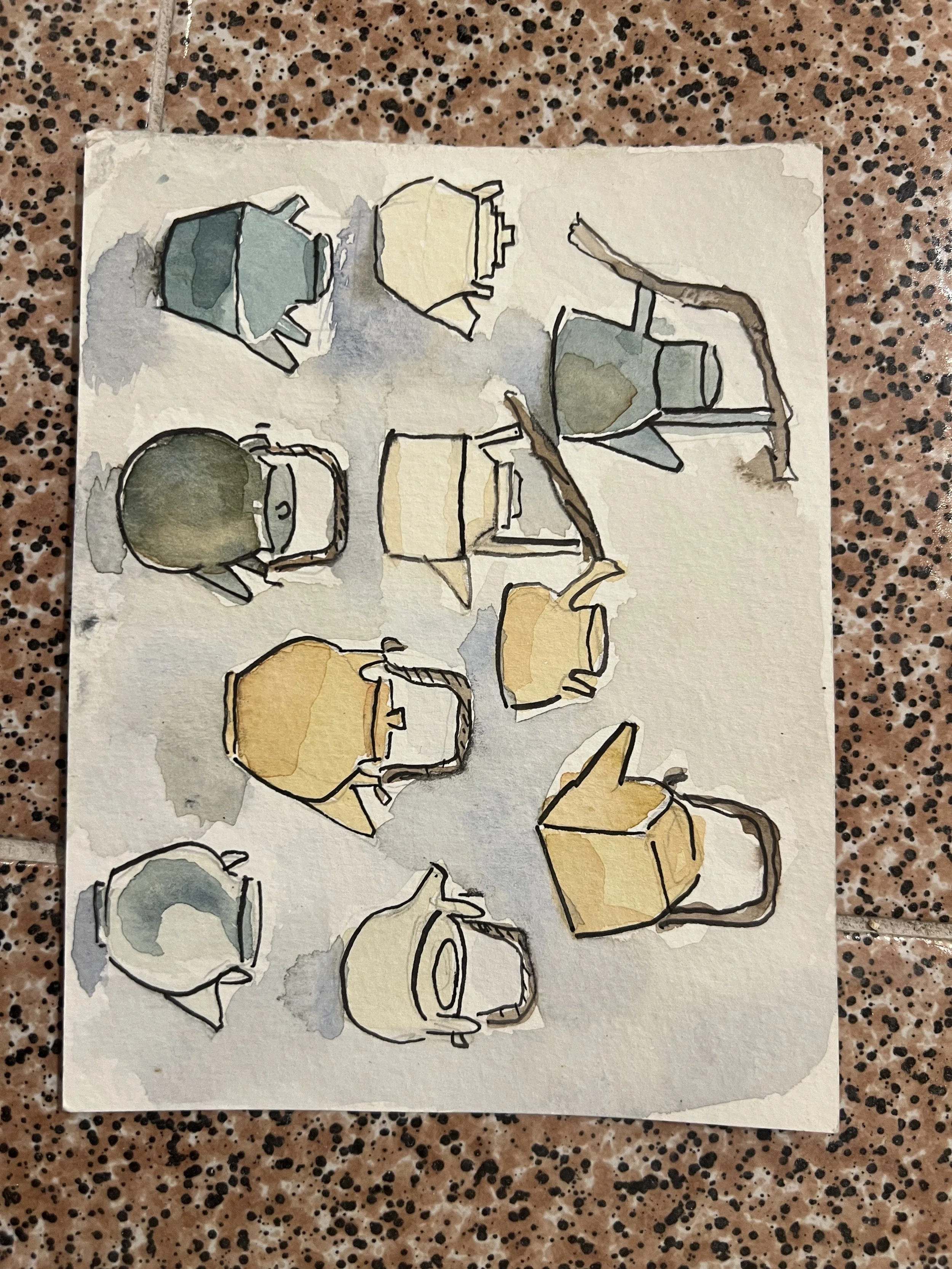
From there, we spent our days throwing, practising and experimenting. We explored everything from cylinders and galleries to spouts, lids and handles, as well as incorporating elements from nature in to the work - sticks , stones and even bones and how to bring all of these together, in to a cohesive design keeping function at the core. There was a lot of problem-solving, plenty of mistakes, and hopefully a growing understanding of just how much thought goes into an object we so often take for granted.
We ended the course by walking up the mountain above Salemi to gather wild mint as well as lemons, which we used to prepare three different teas for a gathering with the rest of the school.
A huge thank you to the eight students who joined me for these two weeks. It was such a pleasure to share the discoveries and conversations that came out of making together. The experience has deepened my fascination with teapots, both as objects and as a way of learning. Please get in touch if you would like to host something similar in your studio!